
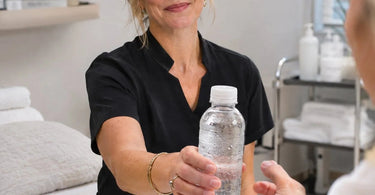
Deliver better results with smarter choices... and sometimes the smartest choice in your entire salon or spa costs less than a dollar and comes with a twist-off cap. Picture this: Your client has just rushed through traffic, searched for parking, and hurried through the door on a warm afternoon. Before she even has time to mention how thirsty she is, someone greets her with a genuine smile and offers a perfectly chilled bottle of water. That tiny gesture can transform an ordinary appointment into an experience that feels thoughtful, welcoming, and wonderfully personal. It is a reminder that exceptional hospitality is not always about extravagant amenities. Sometimes, it is simply about recognizing what someone needs at exactly the right moment.
For salon owners, spa directors, estheticians, massage therapists, nail technicians, barbers, and other beauty professionals, this is a surprisingly powerful business lesson. The smallest details can influence how clients perceive the entire experience. Beautiful treatment rooms, exceptional technical skills, and professional products certainly matter, but the way someone feels while receiving those services matters too. A cold bottle of water may not appear on your service menu, yet it can become one of the thoughtful touches that makes your business memorable.
Why the Timing of a Simple Gesture Matters
There is a meaningful difference between offering someone water because it is part of a routine and offering water because you have noticed that the person might appreciate it. One feels procedural. The other feels personal.
Imagine a client arriving for a facial after spending twenty minutes in summer traffic. She is warm, slightly flustered, and probably wondering why every traffic light in town has personally declared war on her schedule. Your receptionist notices her discomfort and says, "Welcome! Would you like a cold bottle of water before we get started?"
That moment communicates several things without requiring a lengthy conversation. Your team is attentive. Your business is prepared. Your client is more than the next appointment on the calendar.
This is the difference between delivering a service and creating hospitality. The water itself is useful, but the observation behind the offer gives the gesture its emotional significance.
Great hospitality frequently happens in these small moments of anticipation. The goal is not to impress clients with unnecessary extravagance. It is to make their visit easier, more comfortable, and more enjoyable.
The Psychology Behind Feeling Cared For
People do not evaluate service experiences exclusively by the technical work performed. They also notice how they are greeted, whether their preferences are respected, how comfortable they feel, and whether the staff appears genuinely interested in their well-being.
A thoughtful gesture can help establish a positive impression early in the appointment. When clients feel welcomed rather than processed, they may become more comfortable asking questions, discussing preferences, and communicating concerns.
Consider the difference between two salons offering equally excellent haircuts. At the first, a customer walks in, signs in, and waits without much interaction. At the second, someone greets her by name, offers a comfortable seat, and asks whether she would enjoy some cold water.
The haircut might be identical. The emotional experience is not.
Of course, a bottle of water cannot compensate for an inexperienced stylist, an unsanitary environment, or disappointing service. It works best as part of an already professional operation. Hospitality enhances quality; it does not replace it.
Why Cold Water Makes Sense in Beauty and Wellness Environments
Hydration is a basic physical need, and plain drinking water is a practical refreshment choice for many clients. Water supports normal body functions, including temperature regulation, and is a convenient alternative to sugary beverages.
In professional beauty environments, clients may appreciate access to water for several reasons. Someone arriving from a hot parking lot may want something refreshing. A client enjoying a lengthy nail appointment may appreciate having a drink nearby. Someone finishing a massage may simply welcome a beverage before returning to a busy day.
The important distinction is that offering water is a hospitality practice, not a medical treatment. Drinking a bottle of water does not automatically remove toxins, improve facial treatment outcomes, or accelerate recovery from massage. Professionals should avoid attaching unsupported health claims to an otherwise excellent gesture.
For clients who prefer room-temperature water, sparkling water, or no beverage at all, the thoughtful approach is to offer a choice rather than assume everyone wants something ice-cold.
The Reception Area Is Where Hospitality Begins
Your reception area is much more than a place to process payments and confirm appointments. It establishes the atmosphere for the entire visit.
Comfortable Reception Furniture, organized retail displays, clean surfaces, flattering lighting, and friendly greetings help make a strong first impression. Adding a thoughtfully managed beverage station can reinforce that welcoming environment.
A small refrigerator stocked with chilled bottled water may be appropriate for a busy salon, while a boutique spa might prefer a discreet beverage display with a choice of chilled and room-temperature water. Both approaches can work beautifully when they fit the business.
Keep the setup attractive but practical. Clients should never have to navigate a mountain of promotional brochures to reach the water. Nor should your reception desk resemble the beverage aisle of a convenience store after a holiday weekend.
Professional Spa Essentials for Professionals can support an organized guest experience, while carefully selected Must-Have Supplies for Salon & Spa Business Success help keep daily operations running smoothly.
Make the Offer Personal Without Making It Awkward
The most effective hospitality gestures feel natural. Clients should not feel as though they have accidentally entered a beverage sales presentation.
A simple question is enough: "Would you like some cold water while you settle in?"
For a client who has just finished a service, try: "Can I get you some water before you head out?"
For a longer appointment, your team might ask: "Would you prefer chilled water or room-temperature water?"
The wording matters less than the delivery. Warmth, eye contact, and genuine attentiveness create the effect. A memorized script delivered while someone stares at a computer screen does not feel particularly luxurious.
Staff should also accept a polite refusal gracefully. Some guests bring their own water, avoid drinking during certain appointments, or simply are not thirsty. Respecting their choice is part of good hospitality.
Small Hospitality Details Can Support Client Loyalty
Client retention depends on many factors, including consistent results, scheduling convenience, fair pricing, trust, communication, and the overall experience. Small gestures can strengthen that experience by giving customers another reason to feel comfortable returning.
Think about the businesses you personally enjoy visiting. Often, the memorable details are surprisingly modest. A receptionist remembers your preferred appointment time. A stylist offers to adjust the chair. A technician checks whether the room temperature is comfortable. Someone hands you a cold drink on an especially hot day.
Individually, these details seem minor. Together, they can create a sense of familiarity and care.
That familiarity may contribute to repeat visits and positive word-of-mouth, although no business should assume that free water directly guarantees higher retention or referrals.
The broader lesson is that people appreciate feeling recognized. A thoughtful hospitality program gives your team opportunities to demonstrate that recognition consistently.
How Different Beauty Professionals Can Use This Hospitality Strategy
Hair salons: Offer water when guests arrive, particularly before lengthy color appointments. Clients receiving Professional Hair Color services may spend several hours in the salon, making convenient beverage access especially welcome. Keep drinks away from chemical mixing areas and electrical equipment.
Nail salons: Offer a beverage before guests settle into Pedicure Chairs/Spas. For manicure appointments, consider a designated beverage surface that does not interfere with tools, electrical devices, product containers, or freshly polished nails.
Massage practices: Offer water before or after appointments as a comfort measure. Clients may particularly appreciate a refreshing drink after a warm treatment room experience. There is no need to claim that drinking water flushes massage-related toxins from the body.
Facial studios: A quiet beverage offer can complement a thoughtful skincare experience. Whether the treatment involves traditional facials or Advanced Facial Treatment Products for Salons & Spas, a comfortable guest experience should extend beyond the treatment bed.
Waxing studios: Clients sometimes arrive feeling nervous about an appointment. A friendly greeting and optional water can help create a calmer atmosphere before professional Waxing Supplies for Professionals are even brought into the treatment room.
Lash and brow studios: Offer beverages before a procedure begins rather than interrupting services that require clients to remain still or keep their eyes closed. This is especially practical for appointments involving Lash & Brow Service Supplies.
Barbershops: A cold bottle of water can be a welcome touch for clients arriving from outdoor work, commuting, or warm weather. It also offers a simple way to make waiting more pleasant without complicating the service workflow.
What Does This Actually Cost a Salon or Spa?
One reason this idea is attractive is that the cost can be relatively modest, especially when beverages are purchased efficiently and waste is controlled.
Suppose a salon purchases bottled water for an illustrative cost of $0.30 per bottle and offers an average of 20 bottles per business day. The daily beverage cost would be $6.00. Across 25 business days, that would equal $150 in monthly water purchases.
Actual expenses depend on bottle size, supplier pricing, delivery fees, storage, refrigeration, and how many clients accept the offer. These figures are examples rather than guaranteed wholesale prices.
It is also important to distinguish cost from return. If a client returns because she loves the service, trusts her stylist, and appreciates the atmosphere, bottled water might be one contributing detail. It would be misleading to attribute her entire future spending to that single beverage.
A better approach is to view guest refreshments as part of the overall hospitality budget, much like clean linens, comfortable seating, and thoughtful reception amenities.
Build a Simple Beverage Inventory System
A wonderful idea quickly loses its charm when the refrigerator is empty by 11 a.m. on Saturday. For a hospitality program to work, someone needs to own the process.
Start by estimating your daily guest count and the percentage of clients who typically accept a beverage. Track actual usage for two to four weeks rather than guessing indefinitely.
For example, a spa welcoming 30 guests daily might initially stock 20 bottles, then adjust based on observed demand. Keep a reasonable reserve for unusually busy days, seasonal heat, and unexpected visitors.
Assign responsibility for checking inventory, rotating stock, cleaning the beverage area, and restocking the refrigerator. Make this a normal opening or closing task rather than a frantic treasure hunt between appointments.
Consider keeping a small checklist covering the quantity on hand, refrigerator cleanliness, packaging condition, and reorder point. Establish a clear storage location so employees do not accidentally mix guest beverages with treatment supplies or cleaning chemicals.
Pure Spa Direct is a distributor of professional beauty, spa, salon, and wellness supplies, and businesses can explore appropriate Bottles & Jars for organizing professional-use products. Guest drinking water, however, should remain in its original sealed food-safe packaging or be served through a properly maintained potable-water system.
Cleanliness Is Part of the Refreshment Experience
A cold drink is only appealing when it is presented hygienically. Keep bottled water in a clean refrigerator and inspect packaging before offering it to customers.
Store guest beverages separately from hair chemicals, disinfectants, wax products, skincare ingredients, and other professional supplies. Never reuse containers intended for cosmetics or treatment products as drinking-water vessels.
If your business provides reusable glasses or pitchers, establish appropriate washing, sanitizing, and handling procedures consistent with applicable local requirements. Use clean hands when handling beverages and avoid touching drinking surfaces unnecessarily.
Staff can use suitable Professional Cleaners & Disinfectants for Salons and Spas for their intended surfaces according to label directions, but cleaning products should never contact beverages or drinking surfaces unless specifically approved for that use and properly applied.
Inspect the refrigerator regularly for spills, odors, damaged seals, and standing moisture. A beverage station should reinforce your business's cleanliness standards, not become the mysterious corner nobody wants to investigate.
What About Sustainability and Single-Use Plastic?
Convenience matters, but so does managing waste. Individually sealed bottles can be practical in certain service environments, yet they also create packaging that must be handled responsibly.
Businesses interested in reducing single-use waste can explore filtered-water dispensers, refillable bottles, washable glassware, or other suitable beverage systems. The best option depends on local water quality, maintenance capabilities, sanitation requirements, customer preferences, and operating costs.
If you continue offering disposable bottles, select appropriate sizes, avoid unnecessary overstocking, and provide clearly marked recycling receptacles where local recycling services accept the packaging.
A half-finished bottle discarded after every appointment may indicate that your standard serving size is larger than customers need. Smaller bottles or offering water on request might reduce waste without making hospitality feel less generous.
Sustainability and convenience do not have to be opposing goals. Thoughtful planning can help a business balance guest comfort with responsible resource use.
The Difference Between Hospitality and Upselling
Salon and spa professionals naturally look for ways to increase average ticket values through retail recommendations, service upgrades, and rebooking. Those are legitimate business goals, but not every positive client interaction needs to become a sales opportunity.
A complimentary bottle of water should be exactly that: a complimentary bottle of water.
Imagine offering a thirsty client a refreshing drink and immediately launching into a five-minute presentation about upgrading her facial package. Congratulations, you have managed to turn hydration into homework.
Allow some gestures to exist purely because they make the customer experience better. Genuine hospitality builds a more comfortable environment for professional recommendations to happen naturally at appropriate moments.
When discussing retail products from Must-Have Spa Retail Products for Enhanced Client Experience, keep the conversation relevant to the client's interests and treatment needs rather than attaching a sales pitch to every kindness.
Teach Your Team to Recognize Moments of Opportunity
Hospitality is not limited to the receptionist. Every team member can contribute to a welcoming environment.
During staff meetings, discuss practical situations in which a small gesture would make a difference. A guest arrives overheated. A client has been waiting slightly longer than expected. Someone finishing a long service asks where the restroom is. A customer mentions that she came directly from a workout.
The point is not to create rigid rules requiring employees to offer water every seven minutes. Instead, encourage attentive observation and appropriate action.
Give employees permission to solve minor comfort problems without seeking managerial approval for every bottle, tissue, or seating adjustment. Establish reasonable boundaries and budgets so generosity remains consistent and financially manageable.
Hospitality training should also cover individual preferences. Some customers enjoy conversation; others prefer quiet. Some love cold water; others dislike it. A truly attentive team recognizes that excellent service is not one-size-fits-all.
Five Easy Ways to Make a Water Offer Feel More Thoughtful
1. Offer it before the client asks. A timely invitation feels more attentive than waiting until a thirsty customer has to search for someone.
2. Provide a temperature choice. Cold water is refreshing for many guests, but room-temperature water may be more comfortable for others.
3. Present it neatly. A clean, unopened bottle handed over with a smile is better than a condensation-soaked bottle placed among paperwork and product testers.
4. Consider the service setting. Keep beverages away from treatment supplies, electrical equipment, and workspaces where they could interfere with safe procedures.
5. Make it consistent. Clients should be able to expect the same welcoming attitude regardless of which employee is working or how busy the schedule becomes.
These ideas require little complexity. Their effectiveness comes from repeating them thoughtfully, not from making them elaborate.
How to Tell Whether Your Hospitality Efforts Are Working
Hospitality is partly emotional, but salons and spas can still evaluate their efforts using practical observations.
Ask guests about their overall comfort through short post-appointment surveys or casual conversation. Watch for recurring compliments and complaints about waiting areas, beverage availability, treatment-room temperature, and staff attentiveness.
Track beverage costs and waste so the program remains sustainable. Observe whether team members can maintain the refreshment station without disrupting appointment schedules.
Businesses may also monitor broader metrics such as rebooking rates, repeat visits, and customer reviews. However, changes in those numbers should not automatically be credited to free water. Service quality, staffing, pricing, marketing, seasonality, and other factors can influence results.
If you want a clearer picture, test one standardized hospitality improvement at a time and collect structured client feedback. Ask whether guests noticed the gesture and whether it made their visit more comfortable. Direct feedback is often more useful than attempting to calculate an imaginary return on investment for every bottle.
Create a Culture of Small, Memorable Moments
The strongest salon and spa experiences are often built from a collection of thoughtful details. Fresh High-Quality Towels, comfortable Salon & Spa Bedding, orderly workstations, and a welcoming reception team all contribute to how a visit feels.
Professional equipment and products provide the foundation for excellent services. Hospitality adds warmth to that foundation.
Consider a client who arrives after a stressful morning. She receives a friendly greeting, a cold bottle of water, a comfortable place to sit, and a treatment delivered by a skilled professional who listens carefully to her preferences.
None of these elements needs to be extravagant. Together, they create an experience in which the customer feels considered from arrival to departure.
That is the kind of environment businesses should strive to build. Not because every glass of water will produce a glowing online review, but because treating people thoughtfully is part of delivering excellent professional service.
The Takeaway: A Small Bottle, a Big Opportunity
The power of a cold bottle of water offered at the moment of thirst is not really about the price of the water, the brand on the label, or the impressive ability of your refrigerator to make beverages cold. It is about noticing someone's needs and responding with genuine care.
For spa and salon professionals, that principle reaches far beyond refreshments. It applies to how guests are greeted, how their comfort is monitored, how their preferences are respected, and how their time is valued.
Pure Spa Direct helps beauty and wellness businesses access the professional supplies, equipment, and essentials that support daily operations. Explore Salon & Spa Business Supplies to help maintain an organized, professional environment where thoughtful customer service can shine.
And the next time a guest walks through your door on a sweltering afternoon, remember this: You do not always need a grand gesture to create a memorable moment. Sometimes, all it takes is a friendly smile, a little awareness, and one perfectly chilled bottle of water offered before anyone even has to ask.

